

Taking care of your digestive system is one of the best choices you can make for your overall wellness. Many people don’t like talking about it, and too often colorectal health is forgotten. But if this crucial part of your body is neglected, it can cause you problems in the long run. Understanding how your digestive tract functions and knowing how to protect it gives you the confidence to take charge of your personal health journey.
Understanding Colorectal Health
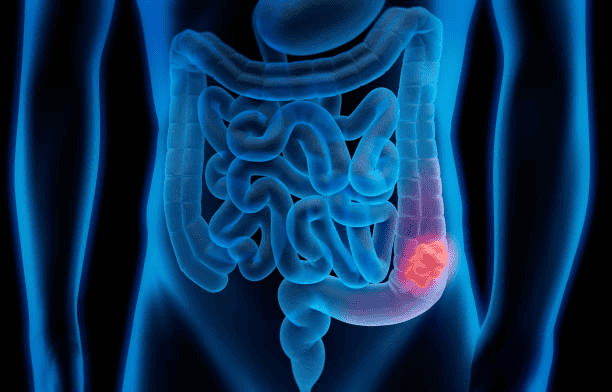
Colorectal health refers to the proper function of your colon and rectum, which form the lower part of your digestive system. These organs are an important part of the body that absorbs nutrients, filters water, and removes waste. These processes are in the background, and when things are working well, you don’t pay much attention to them. However, small growths called polyps can sometimes form along the inner lining of the colon. Initially, polyps are harmless, but some types might slowly turn to cancer over several years, if not treated. If you understand your family history and risks, you will be able to be 100% proactive with your health.
Why Early Detection Is Critical
The main advantage of early detection is that colorectal issues are far easier to treat in their initial stages. As Dr. Marar emphasizes in medical discussions, identifying pre-cancerous polyps before they turn into serious problems can completely alter a patient’s long-term outcome.
When found early, a doctor can remove suspicious growths in a routine procedure before they cause symptoms. It is possible to recover rapidly, and treatment is usually less invasive if detected early. Focusing on preventative measures provides you the best chance to sustain good health and a high quality of life on a day-to-day basis.
Recognizing Subtle Warning Signs
Colorectal problems may progress over time without symptoms that are immediately apparent. This is why it’s crucial to pay attention to any slight shifts in the body. Symptoms include diarrhea, constipation, abdominal cramping, weight loss, and fatigue. Seeing blood in your stool or experiencing consistent bloating should also prompt a quick conversation with a healthcare professional. While some of these side effects may indicate minor digestive conditions, getting these symptoms checked out as soon as possible by a trained professional can give you answers and peace of mind in the future regarding your digestive health.
Common Screening Methods Explained

There are multiple safe and reliable screening options that are available in modern healthcare that are individualized. Colonoscopies are still the standard procedure since they give the doctor a visual of the entire colon and enable them to remove any polyps while the procedure is in progress. For those who are average risk, non-invasive stool tests are a good initial step that you can do at home. Your doctor can advise you on the most appropriate screening test for you based on your age, risk, and lifestyle. Regular screening usually begins around age forty-five, but starting earlier may be recommended if you have specific family health factors.
Overcoming Hesitation and Taking Action
It’s normal to be anxious or hesitant about having a colonoscopy. There are a lot of people who put off their appointments because of embarrassment, discomfort, or fear of bad news. But these are typical assessments that medical practitioners conduct daily in a respectful and private setting. Preparing for a test is usually the most challenging part, while the actual procedure is quick and routine. Rethinking screening as a form of self-care can take away anxiety. Remind yourself that taking a short moment to get checked can protect your future for many decades to come.
Conclusion
Your health is your most valuable asset, and protecting your digestive system should always be a top priority. Early detection saves lives, changes outcomes and offers you and your family peace of mind. Knowing about the risk factors, listening to the body’s signals and booking regular checkups empower you to own your health. Avoid waiting for bothersome symptoms to come before you take any meaningful action. Contact a trusted healthcare provider today, talk about your personal screening plan and make a strong positive decision to live a healthier, longer, and fuller life. You have the power to safeguard your future starting right now. Prioritizing wellness today ensures a much brighter tomorrow.
