

A steel shed is a big investment, and the right choice can serve your property for decades. There are a lot of sizes, styles, and features available and you may end up having no idea where to begin. This guide discusses some of the key considerations to make in order to select a shed that will suit you, your land and your budget.
Define What You Need the Shed For
Start with the purpose. A garden shed requires a much smaller area than a workshop or a farm machinery shed, or a home garage. List the items you will be storing (vehicles, boats, caravans, equipment etc.) and also measure the biggest item. Then allow for walking space and future growth. Many owners wish they had gone a little bigger, since extending later can cost more than building larger at the start. Think about height too, especially for tall vehicles or a mezzanine floor.
Choose Quality Steel Built for Australian Conditions
Building conditions in Australia are severe, and are subject to strong sun, salt air, heavy rain and bushfire risk. Look for sheds made from genuine Australian steel with a protective coating, such as COLORBOND steel, which comes in many colours and holds up well over time. Suppliers like MSB Sheds offer custom steel kits using Australian steel, so you can match size, cladding, and colour to your property. Inquire about warranties for the steel and the paint.
Check Wind Rating and Engineering
Australia has various wind environments ranging from coastal windy areas to cyclone zones in the north. Your shed needs to be wind resistant for your wind region. Request engineered plans and certification that is suitable for your site. Well-designed sheds are more secure, durable and easier to get council approval for. Don’t settle for a design that is cheap because it may break during a storm.
Pick the Right Roof Style and Layout
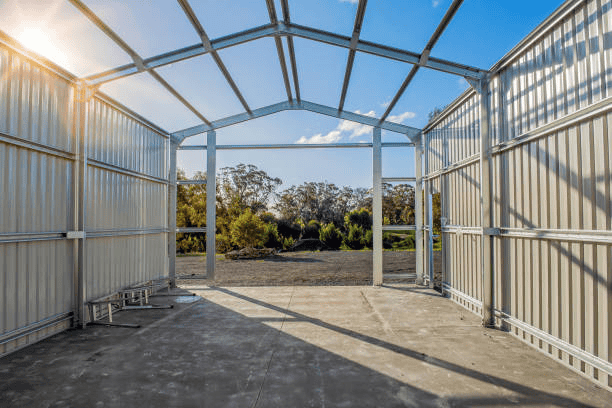
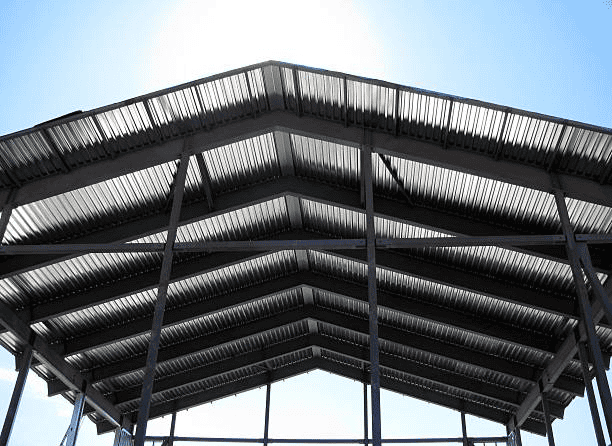
Roof style has an impact on the cost, appearance, and usage. A skillion roof is a roof with a single slope and is used for simple buildings and modern homes. Gable roofs have two slopes and give more headroom in the centre, which suits larger sheds and farm buildings. Consider side access and roller doors, and vehicle entry points. The best layout is the one that saves time each day—how you move around and use the space.
Council Approval and Site Preparation
Rules vary by state and council, so check before you buy. Size, height and distance from boundaries may require approval. Bushfire zones may have additional requirements. You should also take your site into account. The soil should be level and well-drained, and the concrete slab or footings should accommodate the design of the shed. Ensure access for delivery vehicles, and consider power, water, and drainage early to avoid expensive modifications after construction.
Plan Doors, Windows, and Extras
Some minor things make a shed more useful. Roller doors are good for vehicles and personal access doors are good for everyday use. Windows and skylights provide some natural light, while insulation will help to keep the heat out during summer. Rainwater can be collected using gutters and downpipes. Think about a mezzanine floor to gain additional space for storage. To help keep the budget in check, add extras that you actually use and don’t add those you don’t.
Compare Suppliers, Delivery, and Support
Obtain several quotes and compare covers. Ask if delivery is free or not and if plans, engineering and instructions are given. Check for ShedSafe certification to ensure a supplier is adhering to industry standards. Check the customer reviews and inquire about design assistance with the team. The build process is made much easier with good support, particularly if one intends to build the kit oneself.
Conclusion
Choosing the right steel shed comes down to clear planning. Determine what you require, select quality Australian steel, and ensure the design matches your wind area. Choose the right roof design for your lifestyle, consult council regulations and site preparation. Add useful extras without overspending, and compare suppliers for support and value. These actions will help you to create a very solid and useful building that will benefit your property for many years and can give your property valuable added value.