

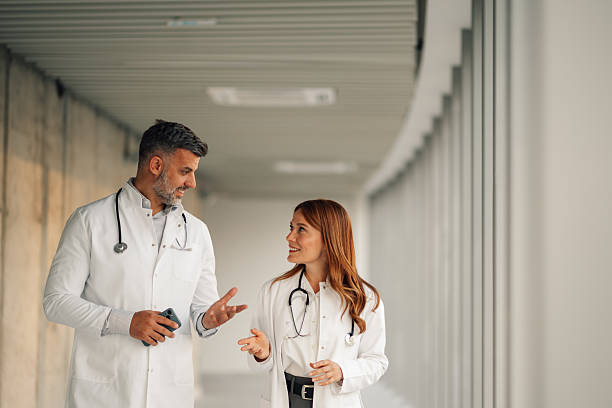
The path to becoming a qualified medical professional is notoriously long and physically demanding. Pupils’ countless hours of studying in textbooks were to memorize the terms and pass the intense standardized exams. But the real science of healing cannot be acquired by studying them in books alone. In today’s modern health care, you need to make decisions instantly, have your emotions under control and possess lots of empathy. That is why mentorship in medicine is a key aspect of medical training. A trusted guide can help guide young residents through the tremendous stressors of the hospital setting, while helping to turn theory into outstanding care.
Bridging The Gap Between Textbooks and Real World Action

Medical school offers a great academic start, and being put in a real hospital can be very overwhelming. Young trainees have to learn how to use their classroom learning and apply it to the real lives of humans, in real time. A mentor who is committed to the transition helps to demystify this transition by demonstrating good clinical practice and technical skills. Experienced educators like Dr. Omar Marar play a vital role in guiding students through these stressful early clinical rotations. Mentoring enables future physicians to develop manual dexterity and critical thinking skills that will assist them to work safely and independently.
Mastering Modern High Tech Surgical Innovations
Medical products are growing increasingly transformative with amazing technology. To achieve better patient recovery, modern operating rooms depend on an emphasis on minimally invasive surgery techniques such as laparoscopic and robotic surgery. To learn to use these more sophisticated technical devices, highly specialized spatial skills are necessary which a textbook cannot impart. Mentors, who are experts in specific areas of surgery, such as colon and rectal surgery, demonstrate to students how to use these precision instruments. This direct transfer of technical expertise provides the next generation of healthcare workers with a proper supply of the advanced modern medical device.
Developing Strong Bedside Communication And Empathy
A surgical procedure that is successful is more than just a flawless physical procedure. Reliable and excellent physicians should also be very efficient in communicating with patients and their distressed family members. Sometimes, you must be incredibly patient and emotionally intelligent to explain complex diagnoses such as colorectal cancer or deal with sensitive issues, such as fecal incontinence. Through the use of clinical practice in the hospital, students come to learn these key interpersonal skills from their mentors, who provide them with compassionate care. Veterans clinicians demonstrate to trainees how to foster human trust and comfort during intimidating times.
Navigating Long-Term Professional Career Growth
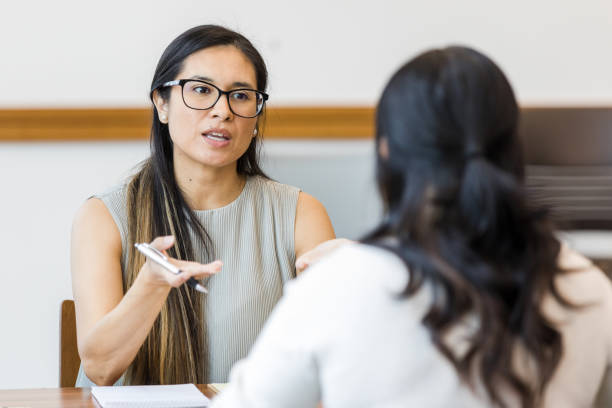
Many tough professional decisions have to be made along the way to becoming an independent attending physician, from a fresh medical graduate. The trainees have to choose between fellowship programs (highly competitive) and academic research and teaching. During these pivotal moments mentors can offer priceless insights into career counseling, their own career journeys and networks. They facilitate research papers, job interviews and prestigious training positions with students. This continuous encouragement contributes to the long term health care practice of the whole medical community, thereby maintaining high standards in health care practice.
Conclusion
The essence of medical education and good practice is mentorship. Experienced physicians ensure the continuity of patient care all over the world by helping to develop student confidence as independent practitioners. Whether it’s teaching advanced surgical techniques or giving compassionate communication mentors the practical support that can’t be found in a textbook, mentors offer a level of support that textbooks can’t match. This transmission of knowledge ensures the continuity of important traditions and advances the frontiers of medical knowledge. Strong guidance programs mean a confident and empathetic next generation of healthcare workers.